
SOME HIGHLIGHTS FROM QUAGGA (1)
Welcome to a new series of monthly emails in which we will highlight some interesting and recently acquired stock. We have seen an increase in our online trade over the last few months and encourage you to browse our website or contact us if you are looking for anything specific. We are also always looking for interesting new stock so please get in touch if you have anything you would like valued or are thinking of selling.
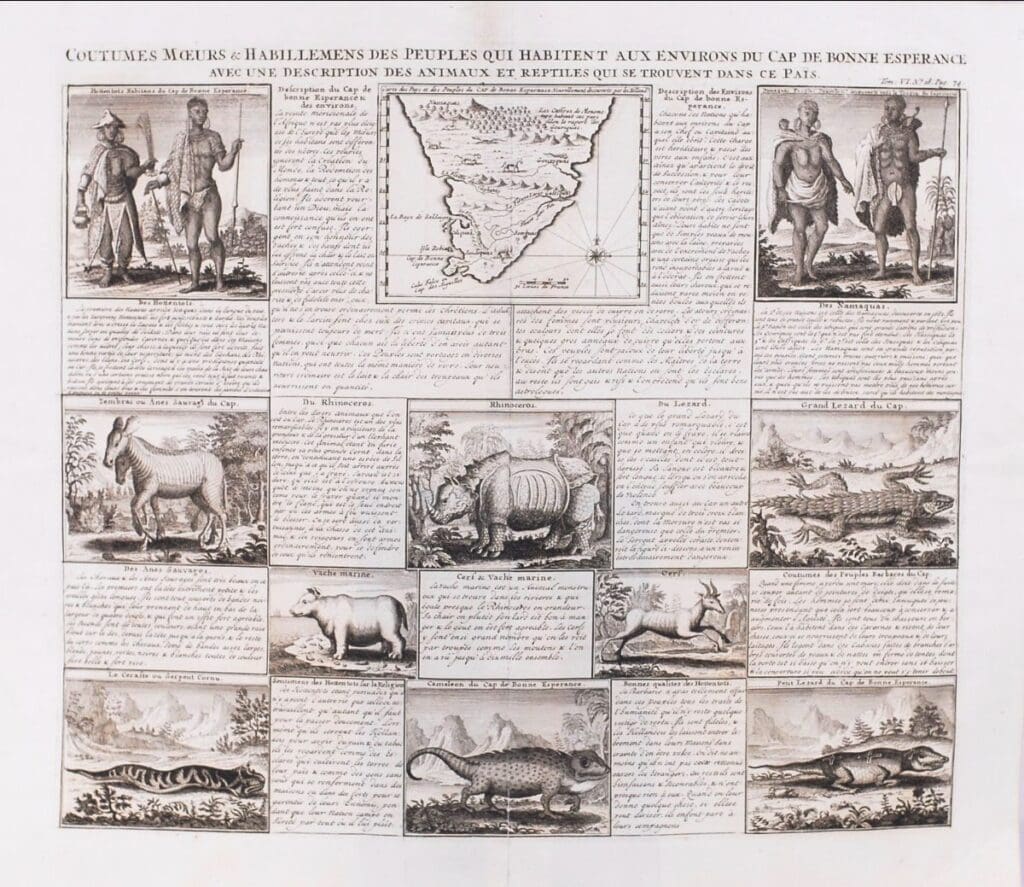
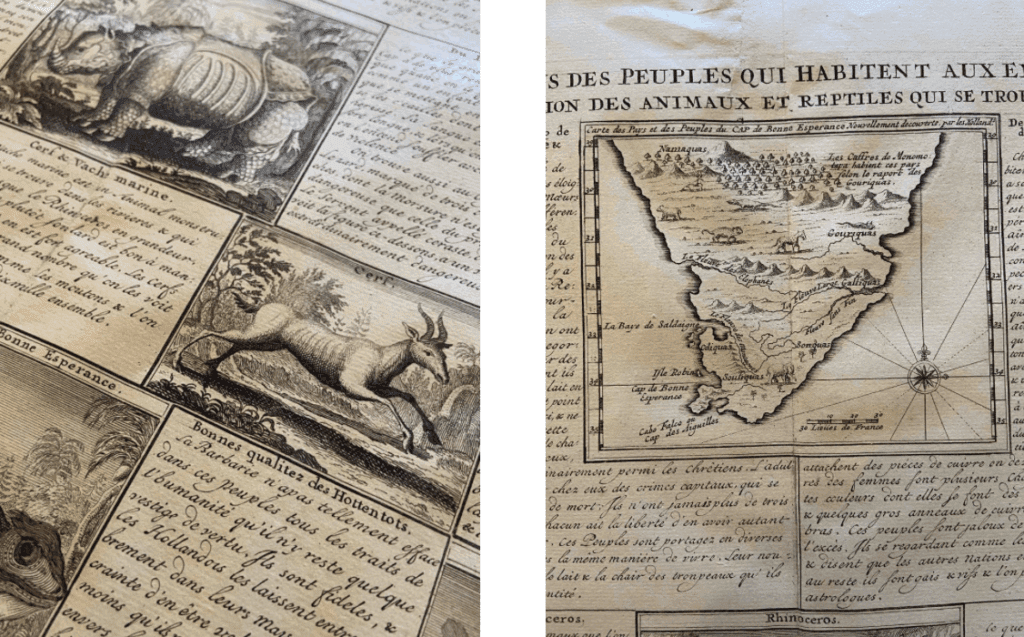
| Coutumes Moeurs & Habillemens des Peuples Qui Habitent aux Environs de Cap de Bonne Esperance avec Une Description des Animaux et Reptiles Qui se Trouvent Dans ce Paris by Henry Chatelain, published in 1719. Containing ten engravings of indigenous people and animals to be found at the Cape of Good Hope, with descriptions in French. It was printed in Chatelain’s seven volume folio atlas, first published in 1705-1720. It also depicts a small, unusual map of Southern Africa almost identical to that which appears in Tachard’s A Relation of the Voyage to Siam (1688). Many of the animals illustrated here also appear in that work. The originals are thought to have been done by Heinrich Claudius – an artist and apothecary who was sent from the East to the Cape by Andreas Cleyer to collect medicinal herbs, to draw anything of interest and to send medicinal curiosities to Cleyer in Batavia. Shortly after Claudius’ arrival, Cleyer was transferred to China and had no further use for Claudius’ services. He continued to work on his own for about a year, when in 1683 he joined Simon van der Stel’s expedition under Olof Bergh to search northwards for the Copper Mountains. He accompanied them as a diarist who was to note anything of interest about people, animals and plants. Claudius met Guy Tachard at the Cape after that voyage and before van der Stel’s second voyage that penetrated the Copper Mountains in Namaqualand. Some of Claudius’ illustrations appeared in Tachard’s book of 1688, and Tachard received much other information from Claudius, no doubt garnered during his voyages with van der Stel. This outraged van der Stel to the extent that he arranged to have Claudius sent elsewhere when next the French were expected. However Claudius’ depictions of the people and animals of the Cape are among the first. Codexes of his original drawings are held by Iziko, the Africana museum and in Britain, Germany and Ireland. |
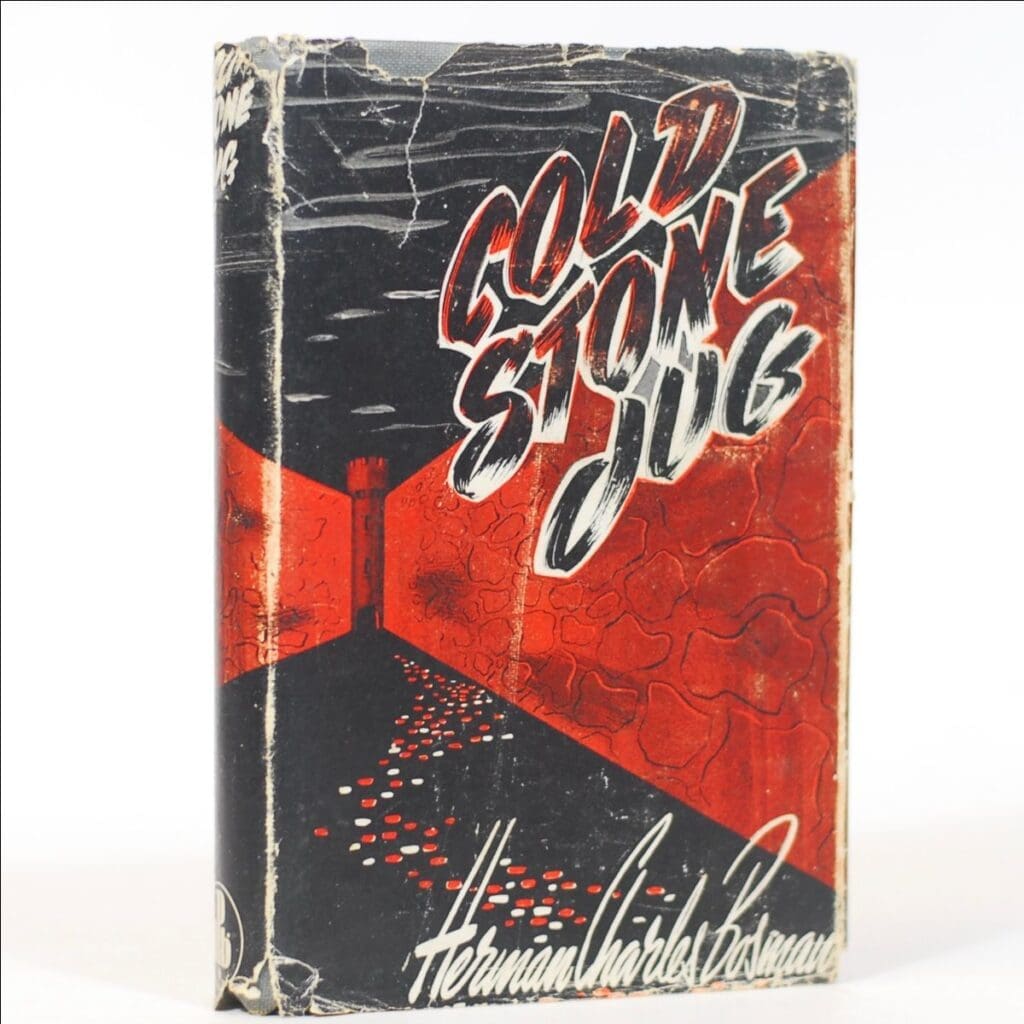
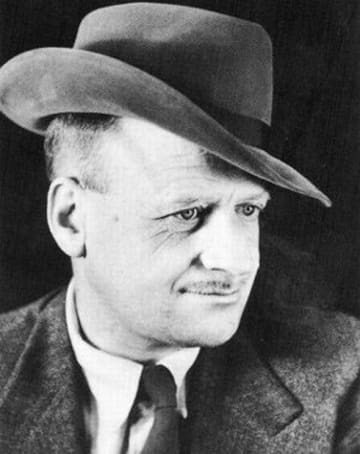
| COLD STONE JUG.A first edition in the extremely scarce dust-jacket.Published in 1949 after Mafeking Road (1947) and Rubaijat van Omar Khajjam (1948) in Afrikaans.It is the semi-autobiographical tale of Bosman’s experiences in jail after he was sentenced to death for murdering his stepbrother.While teaching in the Groot Marico district in 1926, Bosman visited his parents home in Johannesburg during the school holidays. |
| One evening, while his brother Pierre was fighting with his stepbrother, David Russell, Bosman entered the room and fired his hunting rifle, killing Russell instantly. The tragedy made the front page of The Sunday Times. At the trial the judge refused to accept that it was an accident based on Bosman’s testimony that he walked to the kitchen after shooting his stepbrother instead of trying to assist him, as would have been natural in the event of an accident. The judge concluded that Bosman had murdered in cold blood and he was sentenced to death, taken to Pretoria Central Prison and placed on death row. He was just 21. After only nine days Bosman’s sentence was commuted to ten years with hard labour. He served about half of this. Cold Stone Jug has been compared to ee cummings’ The Enormous Room and Doris Lessing called it “the saddest of all prison books.” Certainly an important piece of South African Literature. Written by a remarkable man, once described by his friend and biographer George Howard as “a man, a woman, an angel, a devil, a tenderness, a cruelty, a brave man and a coward, an emasculated satyr, a womaniser, a racist and a liberal.” |
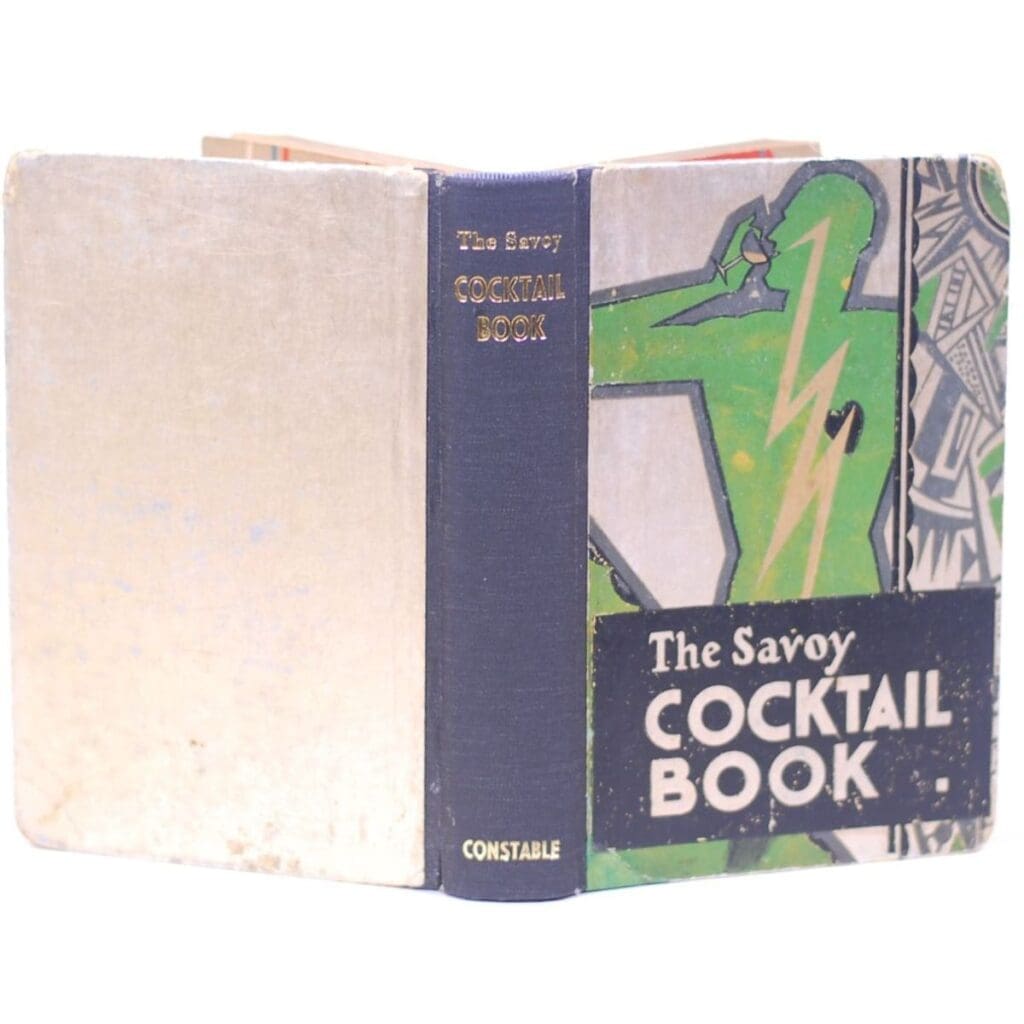
E SAVOY COCKTAIL BOOK
an art deco icon
First published in 1930 it remains one of the most famous books on the subject of mixology. The book’s author, Harry Cradock was an English bartender who moved to the U.S. in his twenties in 1897. He worked at Cleveland’s Hollenden Hotel, New York’s Knickerbocker and Hoffman House. He left America during the prohibition and joined the American Bar at the Savoy in London in 1920 where he stayed until 1938. Of the 750 cocktails described in the book there are a number with a uniquely South African flavour. There’s the Modder River Cocktail, the Joburg Cocktail, the Cape Town Cocktail, the Blue Train Special and the Biltong Dry Cocktail. These and many others contain the vermouth-like ingredient Caperatif. Also known as “the ghost” it was last made in the 1940’s and has only recently been re-created by Ardi Bardenhorst and Co.
Bound in the striking metalic printed boards, the book is illustrated throughout in true Deco style with decorations by Gilbert Rumbold

| BITTERKOMIX NO. 3 This issue was published in November of 1993. The now infamous satyrical South African comic produced by Anton Kannemeyer and Conrad Botes first came into being in 1992. Kannemeyer, Botes and their cohorts expose the fears and hypocrisy of South Africa in the 1990’s |
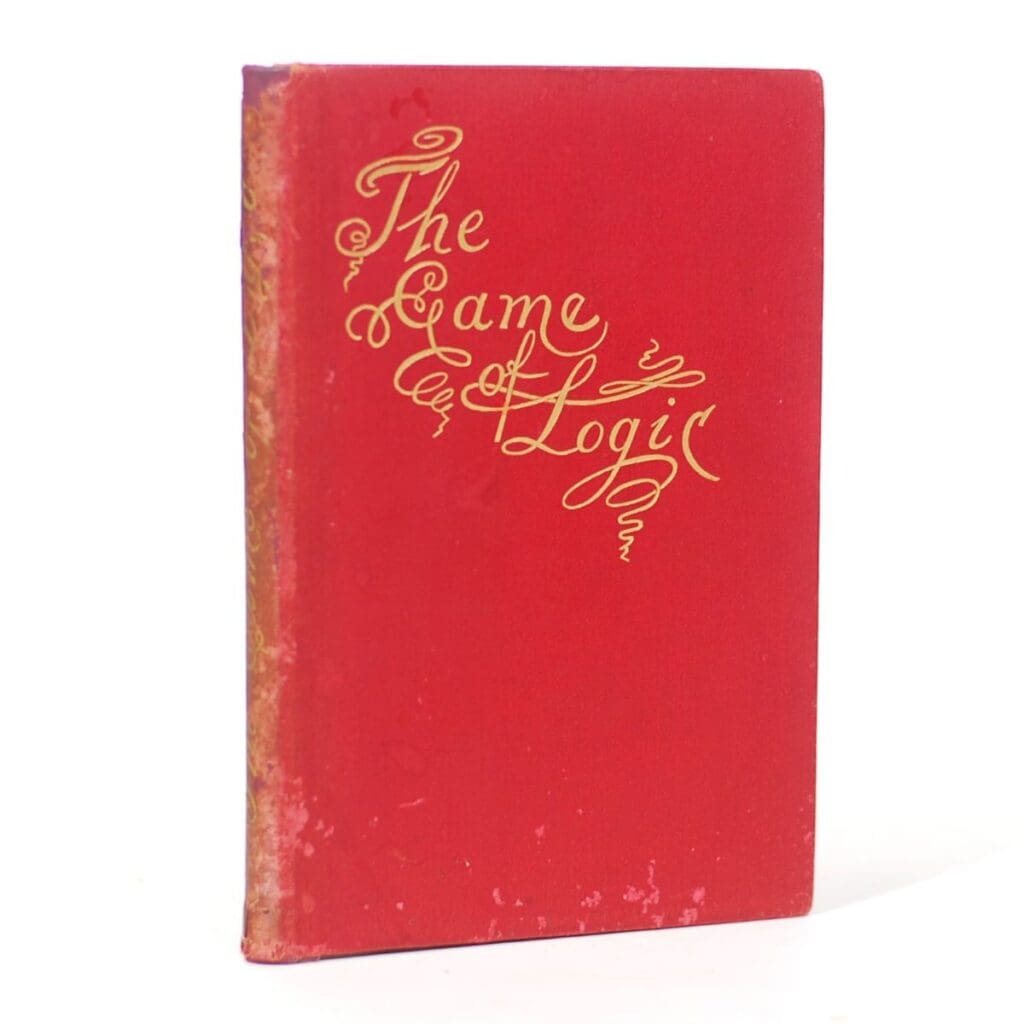
| THE GAME OF LOGIC BY LEWIS CARROLL Published in 1887. |
| First published in 1886 and suppressed after about only 50 copies were printed as they did not meet with the author’s standards. This is the first trade edition of 1887. With the envelope and board present and dated 1886, together with five of the nine original markers for playing the game. Carroll, better known for Alice in Wonderland was a Lecturer in Mathematics at Christ Church, Oxford for 25 years. The Game of Logic, consists of discussing the meaning of propositions like “Some fresh cakes are sweet,” and is an instructive introduction to the concepts of logic. The game takes place in a world divided into four quadrants. In the northwest quadrant, the cakes are fresh and sweet, in the northeast, they are fresh and not-sweet, in the southwest, they are not-fresh and sweet, and in the southeast, they are not-fresh and not-sweet. The game is played with four pink coins and five grey coins. A pink coin is used to indicate the presence of some (one or more) cakes in a sector, while a grey coin indicates that the sector is empty. A pink coin in the northwest sector is a representation of the proposition “Some fresh cakes are sweet.” By using more coins it is possible to represent more complex propositions. For example, one pink coin in the northwest sector together with one in the northeast is a representation of the double proposition “Some fresh cakes are sweet and some not-sweet.” The world of cakes is then divided in the two subclasses of the eatable and not-eatable cakes, allowing the representation of even more complex propositions. It is also possible to represent syllogisms, in which two propositions (the premises) are used to deduce a third (the conclusion). In the second half of Carroll’s book, an 8-cell diagram is introduced (a flattened 2×2×2 cube) for problems involving three propositions at once. (Wolfram Mathworld) |
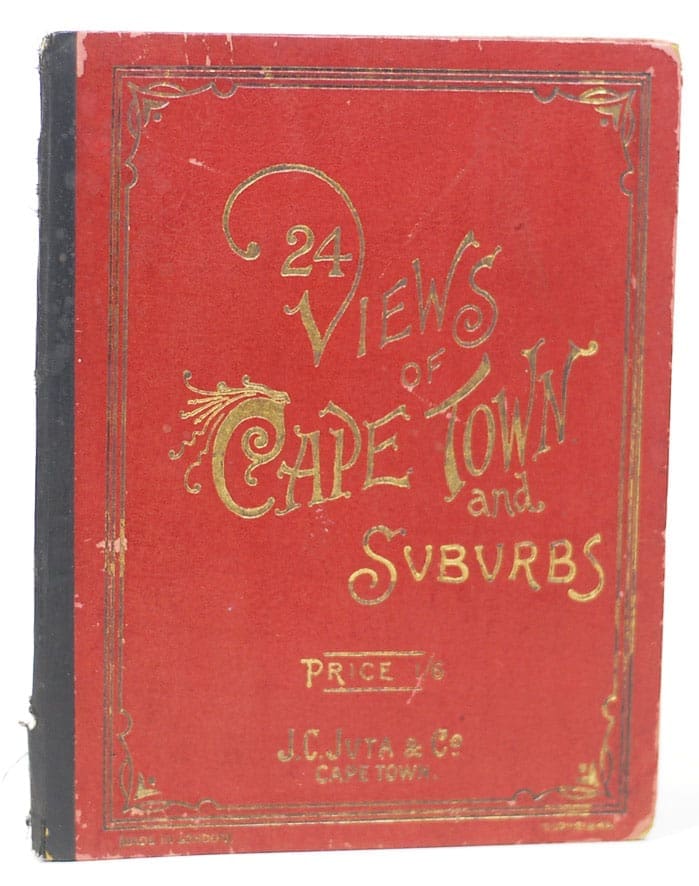
4 VIEWS OF CAPE TOWN AND SUBURBS
Published by J.C. Juta circa 1895.
Accordion fold photographic souvenir with views of Cape Town. From Table Mountain and the docks to the buildings of central Cape Town. Camps Bay, Lion’s Head, Chapman’s Peak, (acknowledged to be the finest drive in the world), Rondebosch, Kalk Bay and more.